
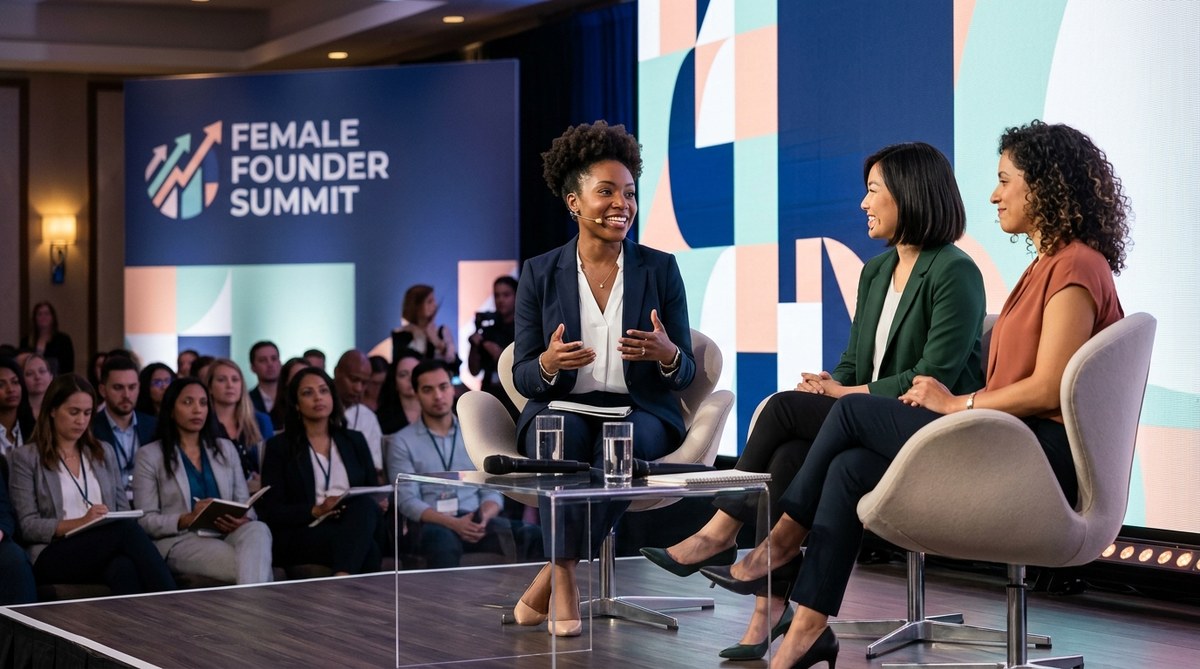
Funding a venture as a female founder can feel like navigating a maze. At FemaleFoundersSummit.org we know that the path to capital is not one size fits all. It is a mix of solid preparation, smart storytelling, strategic networking and a clear understanding of the funding landscape. This article pulls together proven approaches, fresh insights and practical steps you can implement right away. Whether you are just starting to explore options or you are ready to pitch a round, this guide will help you move from idea to impact with confidence.
Understanding the funding landscape for women founders
Funding ecosystems are evolving, and the options for women led businesses are broader than ever. The key is to map your needs to the right sources and to tailor your approach to the strength of your venture.
- Non dilutive versus dilutive funding: Non dilutive options such as grants, competitions, accelerators with mentorship but minimal equity impact can buy you time and validation. Dilutive options like equity financing bring capital in exchange for ownership and influence.
- Early stage and growth stage funding: Early stage funding focuses on product market fit and a scalable model, while growth stage funding emphasizes revenue trajectory, unit economics and a clear path to profitability.
- Investor types to know: Angels often provide mentorship and network access; accelerators can bundle funding with mentorship; venture capital firms offer larger rounds and strategic value; corporate venture arms provide industry connections and potential partnerships.
- Gender dynamics and funding: Women founders frequently face unique challenges and biases, but supportive networks, transparent processes and clear value propositions can level the playing field. The more you know about the landscape, the more you can position yourself for success.
What investors look for in women led ventures
Understanding investor expectations helps you shape your narrative and your business model. While every investor is different, there are common signals of a well positioned opportunity.
- A clear problem and feasible solution: Demonstrating a real pain point with a product or service that meaningfully improves outcomes.
- Market size and growth potential: A large addressable market with a credible plan to capture a meaningful portion.
- Traction and milestones: Customer validation, revenue, users, partnerships, or pilots that show momentum.
- A strong, complementary team: Founders who bring domain expertise, execution capability and the willingness to learn and adapt.
- Clear business model and unit economics: Path to profitability, predictable revenue, and scalable operations.
- Governance and accountability: Transparent reporting, well defined roles and a plan for governance as you scale.
- Alignment with impact and values: Many investors seek ventures that align with social impact, diversity and inclusion.
Building a compelling value proposition
Your value proposition is the core of your narrative. It tells investors why your venture matters and why now.
Crafting your pitch deck
A powerful deck is concise, visually clean and tells a story from problem to plan to payoff.
- Problem and pain point: What is the unsolved need and who bears it.
- Solution and differentiator: What you do differently and better than alternatives.
- Market and competitors: Who else is solving this and what sets you apart.
- Business model and monetization: How you make money and scale.
- Traction and milestones: Evidence you are on a rising trajectory.
- Go to market plan: Channels, partnerships, and sales strategy.
- Team and culture: Why this team can execute under pressure.
- Financials and milestones: Key metrics, forecast and funding needs.
- Use of funds: Specific allocation that ties to milestones.
- Risks and mitigations: Honest assessment and contingency plans.
- Ask and closing: Your funding amount, equity offer if applicable, and a call to action.
Storytelling and messaging
Investors invest in belief as much as numbers. Your storytelling should combine data with humanity.
- Begin with human impact: Start with a real customer story or a quantified problem.
- Show progress with metrics: Highlight repeat customers, growth rates, and retention.
- Be specific about risk and plan: Acknowledge uncertainties and how you will navigate them.
- Be authentic and consistent: Your tone should reflect your brand and values.
Funding options for female founders
A diversified funding plan often reduces risk and expands opportunities. Here are common routes, with practical guidance for each.
1) Grants and non-dilutive funding
– Identify government programs, private foundations and industry grants that support women entrepreneurs.
– Prepare tailored applications that align with grant goals and demonstrate measurable impact.
– Create a timeline and track reporting obligations to ensure compliance and future eligibility.
2) Bank loans and lines of credit
– Use solid financials and a clear repayment plan to strengthen loan applications.
– Consider microfinance or regional banks that have programs for women led businesses.
– Be prepared with a strong credit profile, collateral plan and a realistic cap table story.
3) Revenue based financing and other non equity options
– Revenue based financing ties capital to a percentage of ongoing gross revenue until a cap is reached.
– This option can be less dilutive and can align with growth velocity instead of rigid milestones.
4) Crowdfunding and community backed funding
– Reward based or equity crowdfunding can mobilize supporters and validate demand.
– Build a compelling campaign with early backers, clear rewards and transparent use of funds.
5) Angel investors and angel networks
– Angels bring capital and strategic mentorship; look for networks that actively back women founders.
– Prepare a concise executive summary, a strong one pager and a short pitch that can be delivered in under 3 minutes.
6) Venture capital and growth equity
– VC funding can accelerate growth but requires a scalable model and a strong pipeline.
– Seek partners who value diversity, bring strategic domain experience, and share your long term vision.
7) Accelerators and incubators
– Programs often bundle seed funding, mentorship and later stage introductions.
– Choose accelerators with industry fit and a track record of helping female founders succeed.
8) Corporate venture arms and strategic partnerships
– Corporates may offer pilot opportunities, distribution channels and customer access.
– Focus on partnerships that unlock revenue, credibility and long term collaboration.
Networking and relationship building
Smart fundraising is as much about relationships as it is about numbers. Building a strong network expands access to capital and opens doors to opportunities that numbers alone cannot.
Building a robust investor pipeline
- Create a target list: Include angels, micro VCs, traditional VCs, corporate VCs and family offices with an interest in your sector.
- Map the touchpoints: Introductions through warm referrals often outperform cold outreach.
- Maintain a dynamic CRM: Track investor interests, notes from meetings and next steps.
- Schedule regular outreach: Quarterly updates to keep investors engaged and informed.
Mentorship and accountability groups
- Seek mentors who have walked a similar path and can offer candid feedback.
- Join or form accountability groups with fellow women founders to practice pitches, share leads and celebrate wins.
- Leverage peer learning to refine your model, pricing and go to market strategy.
The role of storytelling in fundraising
- Your narrative should connect problem, people, and payoff in a way that resonates emotionally.
- Use data to back every claim, but lead with the human impact.
- Practice your pitch to deliver with confidence, warmth and clarity.
Preparing for term sheets and negotiations
When the moment arrives to discuss terms, preparation can significantly influence outcomes.
Understanding equity and valuations
- Know your cap table inside out: current ownership, options pool, and how new funds dilute ownership.
- Be realistic about valuation: Use comparables, traction metrics and market potential to justify your numbers.
- Plan for the future: Consider how future rounds will affect ownership and control.
Negotiation tips for female founders
- Lead with clarity: State your objective, your milestones and your non negotiables.
- Seek aligned investors: Look for partners who share your mission and your long term vision.
- Don’t rush decisions: Take time to review term sheets with trusted advisors.
- Consider governance terms: Ensure founder friendly control rights and a clear path to accountability.
Common terms to watch out for
- Liquidation preferences: Understand the impact on exit proceeds.
- Dilution protections: Anticipate future rounds and how they affect ownership.
- Board composition and control: Align governance with your growth plan.
- Protective provisions: Know what veto rights investors have and why they matter.
Grants and non-dilutive funding deep dive
Grants can be a powerful way to de risk early stage growth and validate your concept without giving up equity.
How to find grants and programs
- Government portals and economic development agencies often publish opportunities.
- Private foundations and industry associations may have grant tracks focused on women led ventures.
- Corporate social responsibility programs sometimes offer seed funding or access to networks.
How to apply effectively
- Align your proposal with the funder’s mission and impact metrics.
- Demonstrate measurable outcomes with a clear use of funds plan.
- Gather strong letters of support and customer testimonials to bolster credibility.
Examples of grant friendly practices
- Include a simple, compelling executive summary.
- Break down budgets in clear line items and milestones.
- Show how grant funding will accelerate impact and create jobs.
Brand and visibility as leverage for funding
Funding is easier when your brand signals credibility and momentum.
Positioning your brand for investors
- Communicate your mission and values clearly.
- Highlight customer stories and social proof including pilots and case studies.
- Build credibility with independent validation such as awards and third party endorsements.
Using media and awards to validate your venture
- Pitch press-ready stories about milestones, partnerships, and impact.
- Apply for industry awards that recognize women founders or social impact.
Conferences and communities like Female Founder Summit
- Participate in speaking engagements to build visibility.
- Network at panels and roundtables to connect with potential funders.
- Utilize meeting planner tools and time blocking to manage networking effectively.
Practical fundraising plan for the next 12 months
A concrete plan creates momentum and reduces anxiety around fundraising goals.
Step by step plan
- Month 1 2: Clarify your funding needs, create a valuation framework, and assemble a materials pack (pitch deck, one pager, financial model).
- Month 2 3: Identify target investors and build your outreach list; start warm introductions via mentors and peers.
- Month 3 4: Attend relevant events, apply to accelerators or grants, and refine your pitch based on feedback.
- Month 4 6: Run targeted outreach campaigns; book investor meetings; collect feedback and iterate.
- Month 7 9: Begin term sheet discussions with interested investors; negotiate terms with counsel.
- Month 10 12: Close deals, deploy funds to milestones, and plan for the next funding round if needed.
Time blocking example for fundraising activity
- Mondays: Investor outreach and follow ups.
- Tuesdays: Pitch deck refinement and rehearsal.
- Wednesdays: Grant applications and grant tracking.
- Thursdays: Networking events and partner meetings.
- Fridays: Metrics review and strategic planning.
Building a practical, repeatable fundraising process
- Create a standard pitch format that can adapt across audiences.
- Maintain a consistent pipeline review every 2 weeks.
- Use a playbook for responses to common investor questions and objections.
- Regularly update your financial model to reflect new data and progress.
How FemaleFoundersSummit.org supports your fundraising journey
- Inspiring voices: Hear from successful women founders, investors and mentors who have navigated fundraising realities.
- Meeting planner tools: Organize outreach, pitches and follow ups with less friction.
- Time blocking techniques: Protect focused fundraising time and avoid burnout.
- Funding guidance: Access practical frameworks for approaching grants, accelerators, and venture investment.
- Branding guidance: Learn to position your venture for maximum investor credibility and appeal.
- Networking opportunities: Build meaningful connections through curated panels, keynotes and roundtables.
Common fundraising myths and how to overcome them
- Myth: There are no funds available for women founders. Reality: There are many grants, accelerators and investor networks actively supporting women led ventures, but you need to seek them out with targeted strategies.
- Myth: You must have perfect traction before seeking investment. Reality: Early proof and a clear plan to scale can be enough to engage the right investor.
- Myth: Women founders are less prepared to lead fundraising. Reality: With the right preparation, mentorship and practice you can pitch with confidence and authority.
- Myth: You need a perfect product before talking to investors. Reality: Validation, a clear path to growth and a strong team can win support for early rounds.
FAQs
- How do I know which funding option fits my stage?
- Start by assessing your burn rate, milestone plan and risk tolerance. Early stages often benefit from grants, accelerators and angel checks, while growth stages look to VCs or strategic partners.
- How important is the founder team for fundraising?
- Extremely important. Investors look for a team with complementary skills, resilience and a track record of execution.
- What is a good way to approach an investor for the first time?
- Start with a warm introduction, deliver a concise pitch in under 3 minutes, and follow up with a tailored deck and executive summary.
- How can I leverage the Female Founder Summit community?
- Use networking events, panels and mentoring opportunities to build relationships, gather feedback and identify potential funders.
Final thoughts
Securing funding as a female founder is about combining a compelling value proposition with strategic outreach and disciplined execution. It is about building relationships with the right people who share your vision, and about using the right funding instruments at the right times to accelerate your growth. At FemaleFoundersSummit.org we believe every woman founder deserves access to capital, guidance and community. We invite you to leverage our resources, embrace a robust fundraising plan and step into the funding journey with confidence. Your idea has power, your business has potential, and the right funders are ready to join you on your growth path.